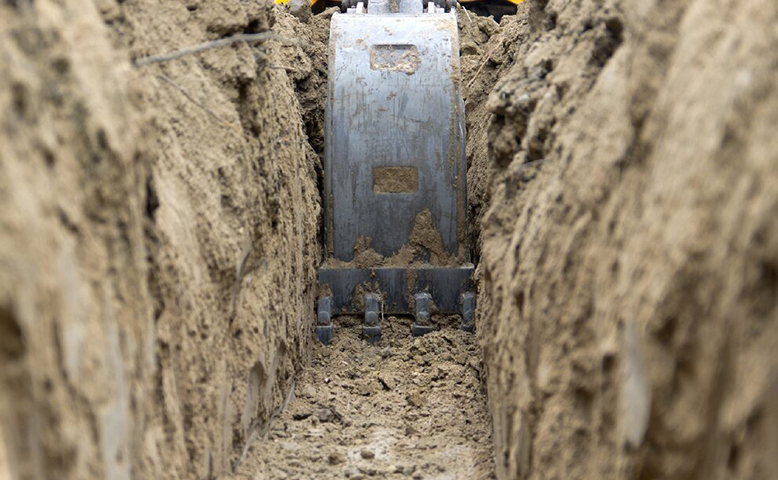
Most people picture trench digging as “just a narrow hole.” In real life, it’s planning, safety, soil behavior, and utility risk all tied together. When a trench is off by a few inches, the pipe may not drain, the conduit may not meet cover requirements, or the repair crew may have to redo work that was already paid for.
- Small layout errors can force extra fittings and longer runs
- Missed utilities can stop a job instantly
- Poor spoil placement can cause cave-ins and muddy access
When pros handle trenching, the job starts with a plan, not guesswork, and you avoid the slow, expensive cycle of dig–fix–dig again.
Faster Starts with Better Planning
Professional trench digging saves time because crews don’t “figure it out as they go.” They set a clear trench route, check access for equipment, plan where soil will go, and decide how to protect nearby structures before the first bucket hits the ground. They also schedule utility locating early, so the site isn’t sitting idle. Many 811 programs ask for notice a couple of business days before digging, and skipping this step is common in damage cases.
- Route is marked with turning points and tie-ins
- Entry/exit points are chosen to reduce rework
- Materials are staged closely, but not in the way
With less stopping and restarting, trenching becomes a smooth flow instead of a string of delays.
Correct Depth Keeps Systems Working
Depth and slope aren’t “nice-to-haves.” They decide whether water drains, cables stay protected, and frost or traffic loads cause trouble later. For sewer and drain lines, slope is often measured in inches per foot. For power and communication, local code and utility rules often set minimum cover depths. A professional crew measures and checks as they go, not after everything is buried.
- Grade is set using stakes, lasers, or string lines
- Bedding thickness is planned so the pipe sits evenly
- Depth is kept steady through soft and hard spots
That accuracy helps you avoid common headaches like standing water, repeated clogs, and line settling that shows up months later.
Safer Trenches Mean Fewer Delays
Trench safety isn’t just about worker health; it’s also about keeping your project moving. Cave-ins can injure people, damage nearby pavement, and trigger inspections or shutdowns. OSHA notes that trenches 5 feet deep or more generally need a protective system unless conditions qualify for an exception, and deeper trenches have stricter design rules.
- Soil type is checked before deciding on protection
- Spoil piles are kept back from the edge
- Ladders and exit points are placed for quick access
When a job is set up safely from the start, you avoid emergency fixes and the schedule shock that comes with them.
Utility Strikes Are Budget Killers
Hitting a buried line can turn a small project into a major bill. Repairs may include the utility’s emergency response, parts, labor, pavement replacement, and service restoration. One utility industry example cites an average repair cost of around $3,500 per damaged line, and reports that many incidents happen when 811 wasn’t called.
- Gas and electric strikes can trigger evacuations
- Fiber hits can disrupt businesses and services
- Water line breaks can flood the trench and site
Professional trench crews treat locating and exposing utilities as a key phase of the work, not an optional step, which protects both your budget and your timeline.
Soil Isn’t All the Same
Soil can look stable and still fail. Clay can hold its shape until it suddenly breaks. Sand can collapse without warning. Wet soil adds weight and reduces strength, making the trench harder to keep open and safe. Pros adjust the approach based on what the ground is doing that day, not what it “usually” does.
- Moisture changes can shift soil behavior overnight
- Vibration from traffic can weaken trench walls
- Nearby foundations can affect stability
They may widen the trench, change the slope, use shielding, or pick a different method like vacuum excavation near sensitive areas. That flexibility prevents expensive surprises when conditions change.
The Right Equipment Speeds Work
Equipment choice matters more than most people expect. A machine that’s too small slows production and strains operators. One that’s too large can damage lawns, driveways, or tight access paths. Professional crews match the excavator size and bucket width to the trench spec, soil type, and site limits. Production rate tables show that trench excavation output changes a lot with depth and width, even before you factor in stops for checks and shoring.
- Bucket width is matched to pipe size and bedding needs
- Machines are chosen for reach and safe spoil placement
- Compaction tools are selected for the backfill type
The result is faster digging with less site damage and fewer slow corrections.
Cleaner Backfill Prevents Future Settling
Many trench problems appear after the trench is closed. If backfill isn’t placed and compacted in layers, the ground can settle, creating dips in yards, cracked sidewalks, and stressed pipes. Pros follow a repeatable backfill method and don’t rush the final steps.
- Bedding supports the pipe evenly to avoid weak spots
- Backfill is placed in lifts instead of being dumped at once
- Compaction is checked, especially near slabs and drives
This matters because fixing the settlement later often means reopening the trench, hauling soil again, and repairing surface finishes twice. Good backfill practices help you pay once and move on.
Less Cleanup, Less Property Damage
Time isn’t just digging speed; it’s the whole jobsite cycle. DIY trenching often leads to scattered soil, blocked walkways, and muddy ruts from repeated trips with small equipment. Professionals plan traffic paths, protect surfaces, and keep soil contained so the site stays usable.
- Spoil is staged where it won’t slide back in
- Driveways and paving are protected from tracks
- Excess soil is hauled off before it becomes a problem
When the area stays organized, other work can continue nearby. That reduces schedule conflicts and keeps your property from looking like a long-term construction zone.
Better Results on Inspections
If your trench supports a permitted job—water service, sewer tie-in, electrical conduit—inspectors often look for depth, bedding, slope, and safe placement around utilities. A failed inspection can mean reopening parts of the trench, delaying the next trade, and paying for more labor and materials.
- Measurements are documented during the dig.
- Pipe and conduit are set before backfill covers errors
- Warning tape and proper separation are installed
Professional trench digging helps you pass checks the first time, which keeps the job moving and helps you avoid the “tear it out and redo it” cycle that drains both time and cash.
Fewer Headaches, Clearer Finish
Professional trench digging is one of those choices that pays off quietly: fewer delays, fewer repairs, less mess, and a result you don’t have to worry about after the ground is closed. OSHA data shows trench collapse deaths dropped from 39 in 2022 to 15 in 2023, which underlines how much safe methods matter when they’re actually used.
- You get a trench that matches the job’s needs
- You avoid preventable utility and safety issues
- You keep your schedule and budget steadier
If you want trench work done with a clear plan and solid field practices, call Underground Pros LLC.